The common guidance is to clean the whole sewer system every 3 to 5 years. Our recommendation: no longer than five. A system of older clay pipe with roots and a history of backups needs more attention than a newer PVC system. What every city does need is a schedule, so cleaning and inspection happen on purpose instead of after something goes wrong.
Here is how to think it through.
Start With What the Pipe Is Telling You
The right interval depends on the system you have. A few things carry the most weight:
- Pipe age and material. Older pipe tends to have more joint problems, root entry and cracks.
- Backup and complaint history. Lines that have backed up before usually will again.
- Roots, grease and debris. Some lines build up fast. Others stay clean for years.
- Flat or low-flow sections. Pipe with little slope holds solids longer.
- Inflow and infiltration. Lines that take on groundwater or storm water often need a closer look.
If you do not have this information organized yet, that is the first job. Your public works crew already knows where the trouble spots are. Write them down.
Cleaning and Televising Do Different Jobs
Cleaning removes the buildup. Televising shows you what is actually in the pipe and what shape it is in.
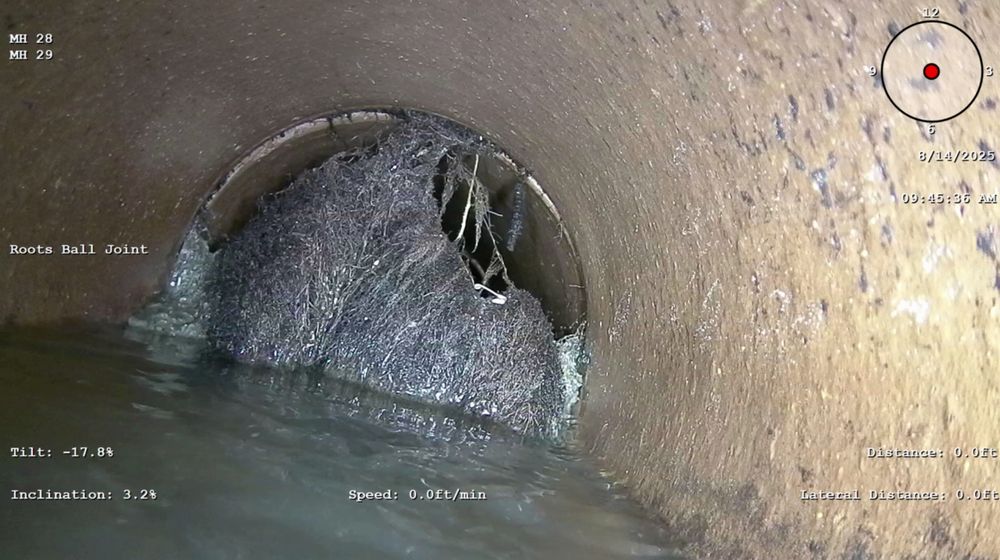
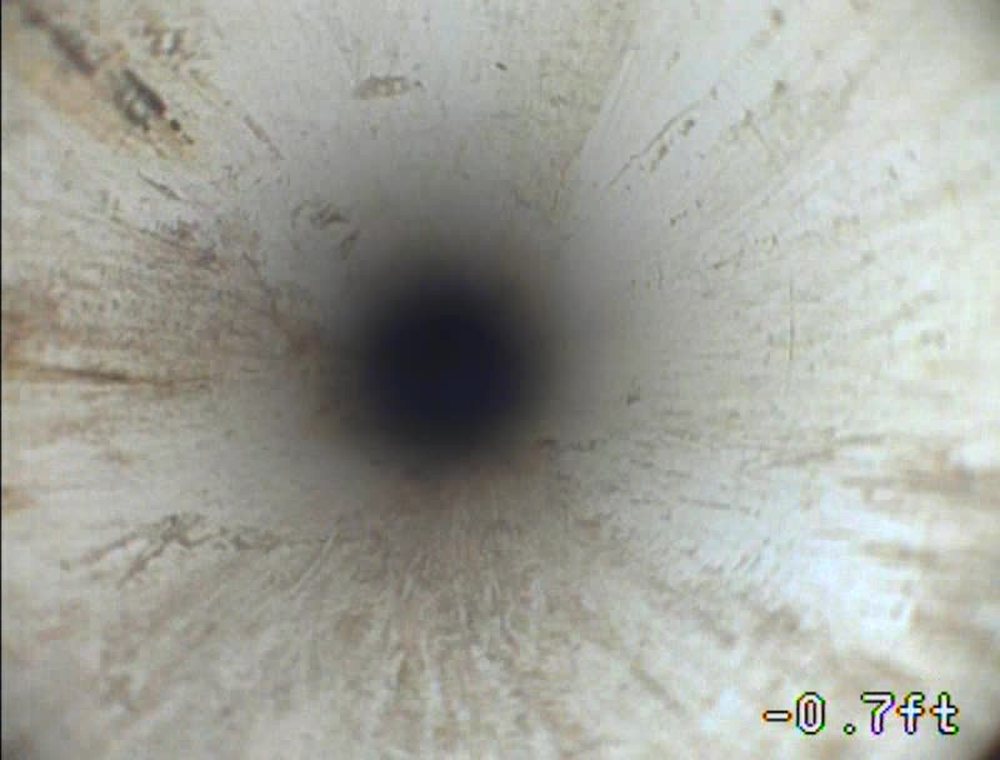
The two work best together. Cleaning first gives the camera a clear view, so the inspection is accurate. The inspection then tells you whether the line needs more cleaning, a repair, or nothing at all. A camera run on a dirty line hides defects. Cleaning without ever looking leaves you guessing.
Our crews run jet/vac combo trucks for cleaning and mainline and lateral launch camera systems for inspection, and every inspection is run by a NASSCO-certified operator. Learn more about sanitary sewer mainline cleaning and CCTV inspections.
Work in a Cycle, Not a Crisis
Common guidance is every 3 to 5 years, and we recommend no longer than five for the entire system. How you get there is up to you: the whole system at once every five years, or one section of town each year. Either works, as long as you keep proper documentation. Then you repeat the cycle. Problem lines get a shorter cycle. Lines with a clean record can wait longer.
A cycle like this has some clear benefits:
- Budget stays predictable, because the work is spread across years.
- Every line gets inspected on a known schedule.
- Each round of reports shows what has changed since the last one.
- Repairs get planned instead of rushed.
What Good Records Make Possible
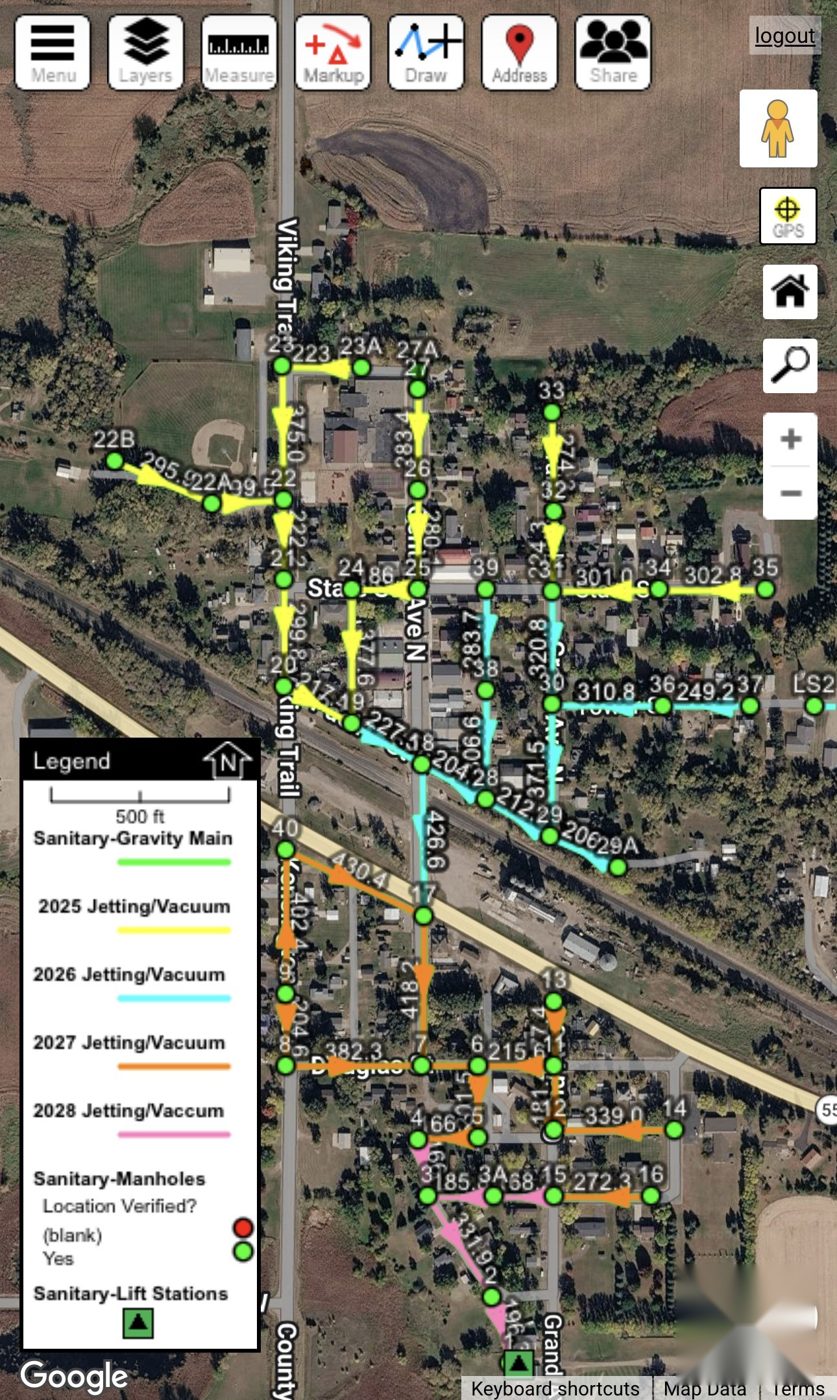
A schedule only works if you can see the results. Look for line-by-line reports with still pictures, video you can keep, and defects coded to NASSCO standards so a finding means the same thing from one year to the next. Maps of what was cleaned and inspected help new staff and council members see where things stand.
Over time those records become your best planning tool. You can compare a line today against the same line two or three cycles ago and see whether it is stable or getting worse.
Where a Multi-Year Program Fits
A multi-year maintenance program puts that cycle in writing. Rates are locked for the term, the scope is set up front, and you are not scrambling to find a contractor when a line fails. Our Sewer Maintenance Programs can cover cleaning, televising or both.
A maintenance contract also usually helps cities meet insurance requirements. It is worth a call to your insurance carrier to see what they want to see.
Not sure where to start? Call Johnson Jet-Line at 320-965-2374 or contact us. We work with cities across Minnesota, North Dakota and South Dakota, and we can help you build a cleaning and televising schedule that fits your system and your budget.
FAQ
Do we have to clean before we televise?
In most cases, yes. Heavy buildup blocks the camera’s view and can hide defects, so cleaning first gives a more accurate inspection.
How often should a city clean its sewers?
Common guidance is every 3 to 5 years. We recommend the whole system at least once every five years, either all at once or a section each year, with proper documentation. Problem lines may need a shorter cycle.
What should we get back after an inspection?
A line-by-line report with still pictures, the video itself, and findings coded to NASSCO standards.